

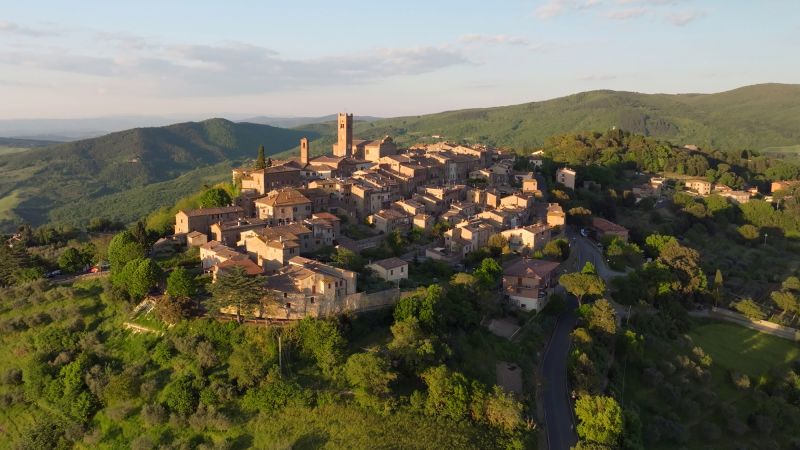
With its hills, olive groves and vineyards, Radicondri looks like a postcard image of Tuscany.
But behind stone walls and quiet streets, the small medieval village near Siena has been lost over the years.
Once home to around 3,000 residents, Ladikondori now has a population of just 966 homes. About 100 of the 450 homes remain vacant. Local authorities are now trying to use cash to reverse this decline.
In 2023, Radicondori launched a program offering up to 20,000 euros (approximately $23,000) to anyone willing to buy and live in a vacant home, with an additional 6,000 euros for expenses such as heating and transportation.
The town expanded its plans this year. As well as assisting buyers, it will also cover half of new tenants’ first two years’ rent until early 2026.
“The housing plan first launched two years ago is being strengthened,” said Mayor Francesco Guarguarini, a native of Radicondoli.
“This year, we have allocated more than 400,000 euros (approximately $465,000) to support the purchase and rental of new homes, along with key measures such as financial support for students, public transport commuters and green energy subscribers.”
Guarguarini says this approach sets Radicondori apart from Italy’s well-known “1 euro homes” program.
“We differentiate ourselves from selling houses for one euro. Here, our houses have value,” he says. “The sociability, hospitality and numerous cultural initiatives add value to the village’s strategic location.”
Vacant homes available for both rent and purchase include one-bedroom apartments in the historic center of the village and Tuscan farmhouses on the outskirts.
Apartments in the historic center tend to be small, cozy units with one or two bedrooms, while homes in the suburbs include spacious farmhouses surrounded by olive groves and vineyards.
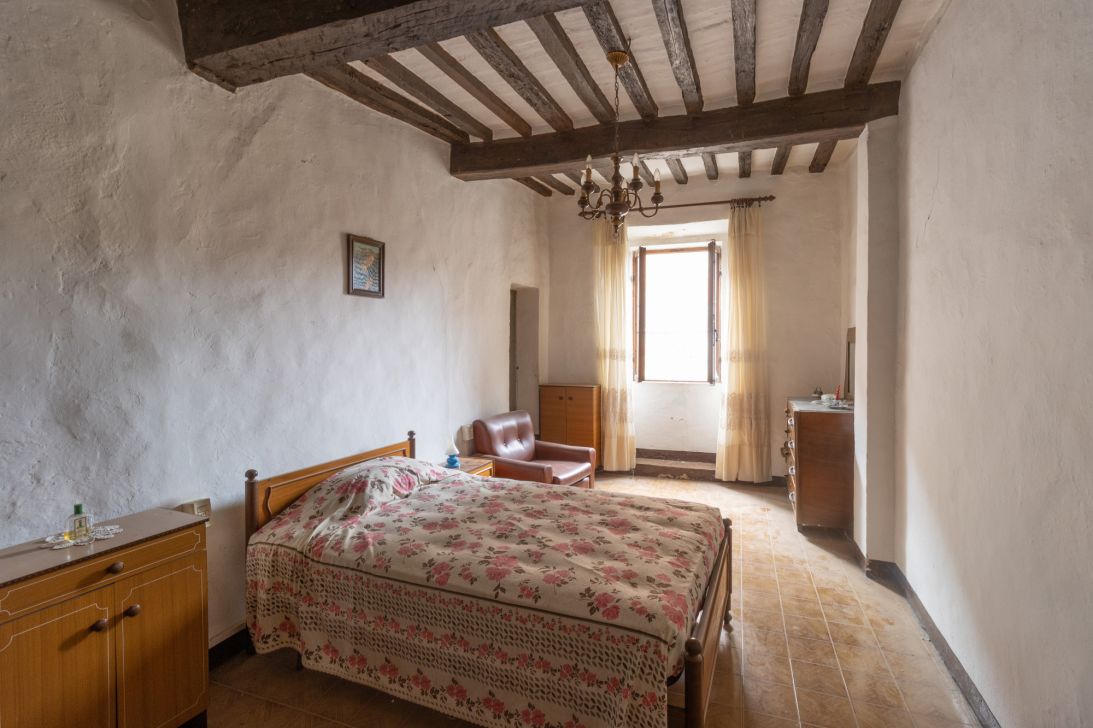
Each has its own unique character, often featuring exposed beams, stone walls, or original artisan brickwork.
Prices start from around 50,000 euros for small homes and go up to over 100,000 euros for larger homes. According to the mayor, most of the building is in fairly good condition, but some parts may require renovations costing around 10,000 euros.
This means that a buyer who has fully utilized the 20,000 euro bonus will be able to buy a small apartment for around 30,000 euros or $35,000. There are also benefits for renters. A 60-80 square meter home that normally costs around 400 euros per month will drop to 200 euros under the subsidy.
Of course, there are pitfalls. To qualify, new residents must stay in their home for at least 10 years if buying or at least four years if renting.
Radicondri’s population began to decline in the 1950s, with young residents leaving for work in larger cities. According to Guarguarini, about 15 elderly people die every year and only about three babies are born.
The mayor hopes the new program will restore some of the grandeur and vitality the village was known for when it was a wool-producing center in the 14th century.
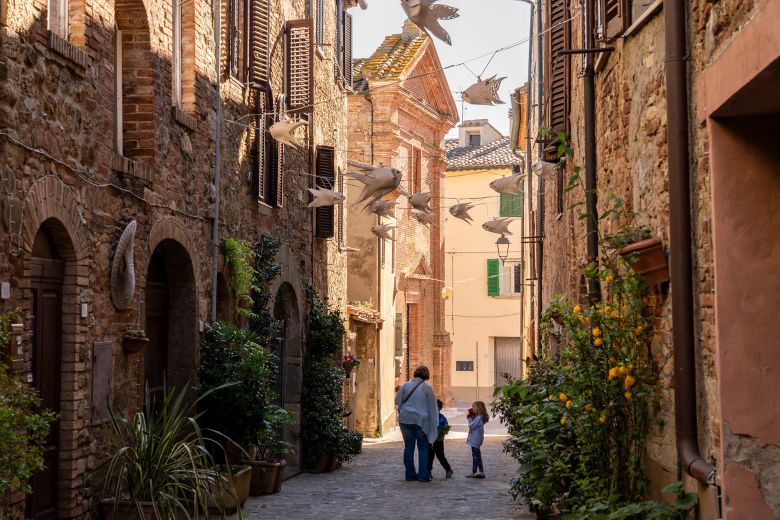
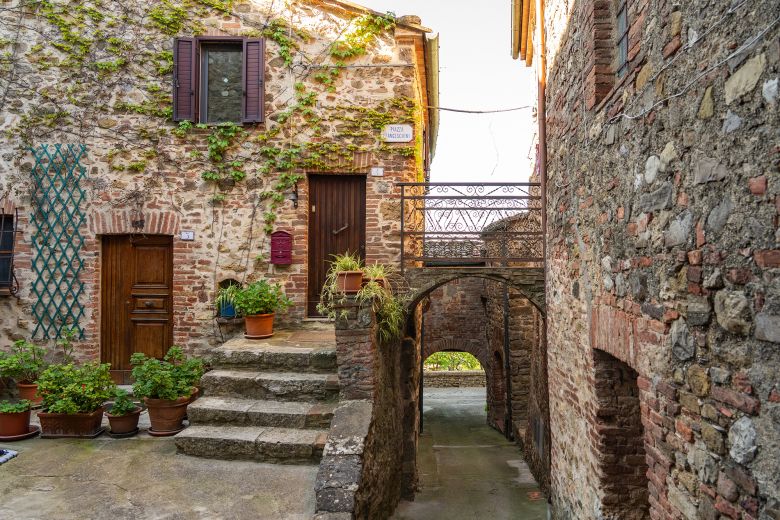
A piece of that history can still be seen here, with maze-like arches and brown-red stone residences standing next to luxurious palaces that once belonged to wealthy wool merchants. Some local residents still live in “tower houses” built into the village walls, a remnant from the Middle Ages.
“Since we launched the scheme in 2023, we have financed 23 real estate sales and attracted around 60 new residents, most of them Italian and a few foreigners, including Belgians,” says Guarguarini. “But we need to do more.” He wants to increase the population to at least 1,000 people.
Anyone planning to convert one of Radicondri’s abandoned houses into a holiday rental will receive additional support from the municipality.
This includes financial assistance for renovations and rental loans to tenants, helping to make the village more attractive to entrepreneurs and seasonal tourists.
Local authorities are offering additional support to people renovating abandoned properties, including loans and grants for rental conversions.
Foreign families who set up home in Radikondri are eligible for university grants and school book vouchers, making the move easier for families with children.
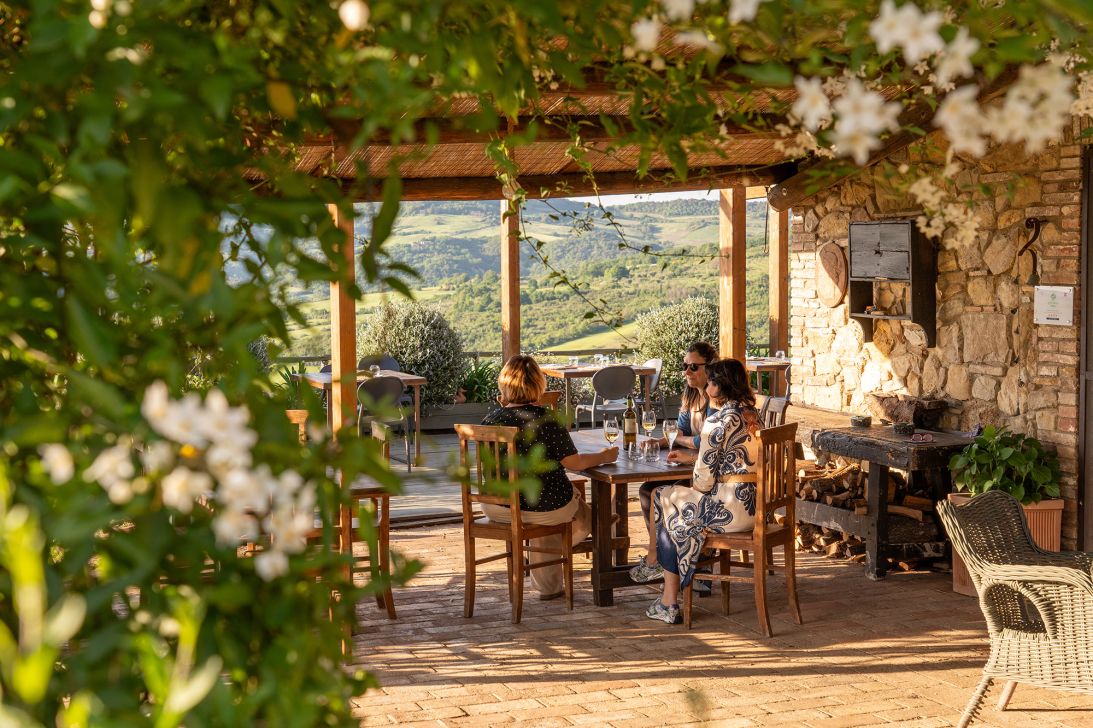
Radicondoli is approximately 40 minutes from Siena and over an hour from Florence. It’s quieter than Tuscany’s tourist centers, but it shares its charms with wine, olive oil, and food.
Local specialties include Cinta Senese ham, ribollita soup, and homemade pici pasta with wild boar and porcini mushrooms.
The village also offers a variety of cultural and outdoor activities. Throughout the year, residents and visitors can take guided tours of the historic center, explore artisan workshops, and attend folklore festivals and fairs.
Nature lovers can enjoy trekking, cycling and horseback riding routes through the lush countryside. The Radicondori Energy Museum, known as “Le Energy del Territorio”, showcases the region’s geothermal energy production.
“Our village is green and uses geothermal energy produced on our territory and receives royalties from the national energy provider,” says Guarguarini. “So even though many people have fled, this is also a fairly wealthy village.”
Prospective residents can browse property listings on VP Imbiliare, the town’s only real estate company, and on national real estate sites such as idealista.it and imbiliare.it. There are also homes in the small neighborhood of Belforte, about 10 minutes away.
Among them is a 316 square meter house with beamed ceilings and brick walls that is on the market for 72,000 euros, or about $84,000.
Belforte is even quieter than Radicondori, but just as beautiful. Residents live in stone houses connected by cobbled alleys, and the village maintains a small but vibrant community life, with bars, mini-markets, and local restaurants.
During the summer, the village occasionally hosts music concerts and large gatherings to enjoy the sunset in the main square.
For more information and to apply: https://wivoaradicondoli.it
