


Los Angeles, California
—
Theme park fans fear the expected annual price hikes at Disney parks in the United States. But the new prices set Wednesday morning and some of the best discount offers in years suggest the media and entertainment giant is being strategic in a year when no new rides are likely to open and many guests are wary about the economy overall.
There will still be sticker shock for people planning to visit Walt Disney World or Disneyland on the busiest day of the year. For example, the most expensive one-day, one-park ticket during the week of Christmas and New Year’s increases by 5% to $209 + tax in Florida (the first time Magic Kingdom tickets have exceeded the $200 threshold). At California’s Disneyland Resort, peak-hour tickets will increase by 8.7% to $224.
But for people who have the flexibility to visit during the off-season, daily, one-park tickets at most other Disney World locations are going up by about $5 on average. The lowest price for a one-day ticket to Animal Kingdom Park is $119 + tax, and prices remain the same.
With the new discount, Disney World guests can save up to $250 per night on room and ticket packages with a four-night minimum for most stays from late February to late July next year. This can be combined with another discount throughout 2026: a free dining plan for children ages 3 to 9 when you purchase an adult dining plan.
Don Mansil, president of the travel website MouseSavers.com, said the offer shows Disney has an unusually large number of rooms available. He said the monetary discount, rather than the percentage discount, “hides the fact that it’s actually a very significant discount,” which he said is larger than regular promotions in past years.
California’s Disneyland has kept its low-season ticket price unchanged at $104 since 2019. In fact, until April 2026, there are more calendar days where the cheapest ticket is available compared to the same period last year.
On all but the busiest peak days, other Disneyland single-day, single-park tickets rose less than 3%, on par with U.S. inflation, which stood at 2.9% in the 12 months ending in August.
Perhaps the best new deal is for Californians, who make up more than 50 percent of Disneyland Resort visitors. They will soon be able to purchase a three-day adult ticket for $249 that allows them to travel between the resort’s two parks. You can use any three non-consecutive days from January 1st to May 21st.
According to MickeyVisit, a third-party Disney news and planning resource, 2013 was the last time a three-day park hopper was listed for around this price.
MickeyVisit founder Gavin Doyle said the modest price hikes and deep discounts reflect a potential lull, especially after Disney promoted back-to-back anniversary events (Magic Kingdom’s 50th anniversary, the company’s 100th anniversary and Disneyland’s 70th anniversary).
“We’re in the period between the big announcement and the opening of something dramatic (new attraction) in 2026,” Doyle said.
Price increases on other Disney services and products
At Disneyland, two of the four annual pass tiers are the same price. Some passes are currently eligible for renewal only and are not available for new purchase.
The top two Magic Key passes increase by 2% to 4%. If you prefer monthly payments, your initial down payment requirement will be lowered.
Disney World is increasing the price of all new annual passes by $20 to $80. For renewals, two of the four tiers will remain at the same price.
At Disneyland Resort, prices for Disney’s top-of-the-line skip-the-line service are soaring. The Lightning Lane Premier Pass, which allows guests to take high-speed routes on many rides once a day at any time, is currently advertised for up to $449.
Prices were listed about a week ago, and previous prices ranged from $300 to $400 depending on date and demand.
A cheaper version of the service, which requires guests to reserve time to use these high-speed lines, is still available starting at $34, an increase of $2 if purchased in advance. Depending on demand, prices may be slightly higher if purchased on the day of your visit.
Prices for the same service at Disney World in Florida vary by individual park and typically reach record highs near peak periods around the holiday season.
With overall U.S. travel demand slowing in 2025, theme park wait time advocates like Disney Tourist Blog point out that Disney World wait times in September were the lowest in six years. Wait times are incomplete data for gauging attendance, and Disney does not publicly report attendance levels.
So if the parks aren’t bursting all year round, why is Disney raising prices and offering aggressive discounts at the same time?
“It’s very rare for them to buy tickets without increasing ticket prices for more than a year, so for them a very small price increase to keep pace with inflation is about the same as no price increase,” said Mousesavers.com’s Muncil.
Munsil, who runs a site that tracks prices at historic theme parks, said Disney raised ticket prices during the Great Recession in 2008 and 2009 while promoting deep discounts. He said the strategy demonstrates a “two-track” mentality, with base prices reflecting long-term trends and discounts responding to short-term needs.
“They want that base price to represent something like an interest in the land that this is worth,” Muncil said.
A Disney spokesperson told CNN in part, “Disney Parks offer full-day experiences with ticket, hotel and dining options designed to fit a wide range of needs and budgets for everyone who visits.”
Additionally, increasing the number of tickets in the upper tiers while keeping the price of the cheapest tickets relatively stable is a way to shift demand to different times of the year.
In an environment where some may be feeling “uneasy” about the economy, adding deep discounts amid modest price increases can be crucial, Mancil said.
“Every time there’s more volatility in the world, people want to hold on to their money a little bit more,” Munsil told CNN. Looking at the traffic on his own website, he says, “People seem to be a little more interested in discounts today than they were six months ago.”
Rising labor, food and construction costs are accelerating operating costs, especially at the original resort in California, according to people familiar with Disney’s theme park operations.
Last year alone, approximately 40% of Disneyland Resort employees received raises of 25% or more. Driving forces for these increases include local regulations and negotiations with labor unions.
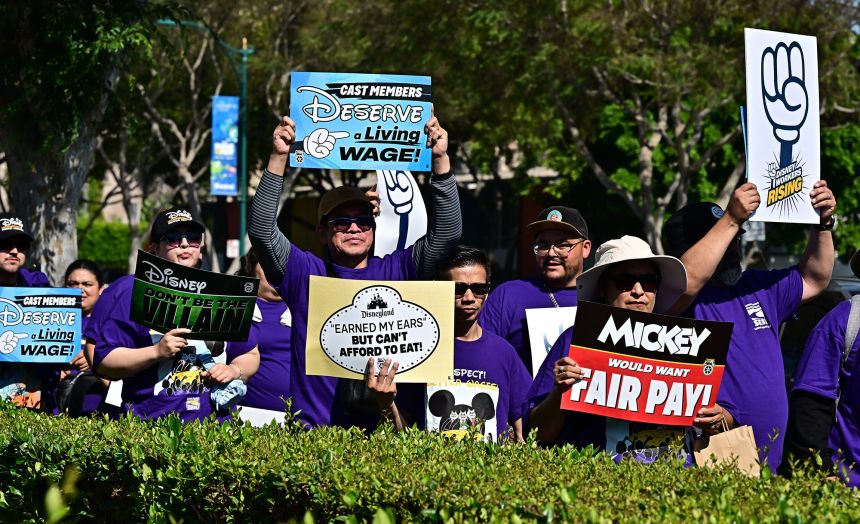
Construction costs also rose. Over the past five years, the cost of construction materials in the United States has increased by more than 41%, according to the Producer Price Index. The move is part of Disney’s 10-year plan to invest $60 billion in parks and cruises around the world and comes amid aggressive expansion plans announced in 2024.
Food costs are also an issue. Food prices at Disney World have increased 18% over the past five years, while national food costs have jumped about 30% during that time, according to people familiar with Disney’s pricing strategy.
Still, in Disney’s last quarterly earnings report ending in late June, it said operating income increased 22% as spending per guest increased at its domestic parks compared to the same period last year.
Despite this growth, Doyle said he still expects Disney to pass the increased costs on to consumers: “I don’t think Disney will reduce growth to pay some of these costs unless they really have to.”
Doyle said investors will expect healthy growth in theme parks as they become a driving force for the company.
Fix:
A previous version of this article incorrectly outlined some of the Disney World annual pass changes. Additionally, information related to September wait times has been revised to clarify its significance as a data point.
